Showing posts with label between 2 slices. Show all posts

Sunday, January 30, 2011

Classic belly-warmers

GOOD OL’ MEATLOAF  
this three pound loaf feeds four to six

My mom wasn’t the only one influential with my cooking understanding.  Dad was a more realist mentality, cooking the easiest and most efficient way, with as many short-cuts as possible.  BBQ, fried eggs and toast, carving turkey and meatloaf were his areas of expertise.  Hey, I didn’t complain, he had good ideas, which usually came from his golfing buddies and friends (which meant they were tested throughout our neighborhood first).

For his meatloaf, he swore by mixing hamburger with Jimmy Dean prepared sausage.  He said the flavors, seasonings and fat flavor were already included in the mix, and all you had to do was cook it.  Made sense.  I’ll take his basic recipe and ramp it up just a bit.  Personally, I love vegetables and bacon in my meatloaf.  That said, it’s about the same as his otherwise.  For a sauce topper, most folks use ketchup, but Dad loved Lowry’s ‘Sweet and Sour’ BBQ sauce (bottled), which he’d mix with garlic powder and ketchup.  It works for me!

Preheat oven to 375̊

Tools:  baking sheet or broad casserole pan/dish, large mixing bowl, food processor, saute pan, cutting board/knife

Prep:  rough chop one stalk celery, one small peeled onion, half a pound mushrooms, several cloves garlic, a small carrot – and place in the food processor (they can be hand-diced, but it’s a bit of work) and pulse to a large ‘relish’.  Gently saute on medium to medium-high, in a combo of butter and oil, with a sprinkling of salt and sugar till rendered soft and beginning to caramelize nicely – about ten to fifteen minutes.  Next add the dried spices and herbs and let ‘bloom’ - or come to a good aroma.  Remove and let cool (very important - raw vegetables will NOT cook to a nice finish inside the loaf).

In the mixing bowl, blend two pounds cold ground chuck or sirloin with a half pound ‘log’ of your favorite breakfast prepared uncooked sausage blend.  Use a fork to slice/mash/fold together without bringing it up in heat.  Leave it all ‘open’ in a crumble for later ingredient mixing.

Ingredients     
            2     lbs medium ground chuck, sirloin, cold
                         (no more than 20% fat, 15% is best)
            ½    lb prepared breakfast type ground sausage blend
                         (like the aforementioned Jimmy Dean)
            1     tsp each ground dried basil, oregano, thyme
            ½    tsp dried ground sage
1       egg, beaten
1       tbs Worcestershire sauce (mixed with egg)
                tsp hot sauce  or ¼ tsp cayenne, (more if you like),
                        mixed with Worcestershire sauce and egg
            Splash milk (mixed with egg, Worcestershire sauce
                        and hot sauce)
            ¼    cup unseasoned bread crumbs (try homemade: 
                        grind two slices bread in processor till med-fine 
                        crumb, saute gently in med-hot pan and a tiny bit 
                        of oil/butter till lightly golden or bake several slices
of bread in a cool (200̊ F) oven till very firm and
crisp, barely colored, about 20 to 30 minutes. 
Break up into chunks and grind in the processor
till a med-fine crumb and use as recipe crumbs
instead of store-bought, saving the rest in a well-
sealed container)            
            The prepared veggie relish, cooled
           ½    tsp each salt and pepper

          4-6    slices oven-firmed bread slices (like mentioned above),
                        unbroken

              TOPPING SAUCES
           ½    cup favorite BBQ sauce/ketchup blend (like the
                        aforementioned Lowry’s ‘Sweet and Sour’ BBQ
                        sauce) plus fresh or powdered garlic or ketchup/Hoisin
                        sauce blend or 2 tbs tomato paste with
                        2 tbs brown sugar and 2 tbs balsamic vinegar plus
                        2 tbs rice or wine vinegar plus a tsp of fresh minced 
                        or powdered ginger (fresh is best!),  Blend well. 
                       
Preparation:  Carefully fold all the upper listed ingredients together in the mixing bowl.  If you use your hands, the body temperature warmth will compromise the texture of the meat - so as much as I love to use my hands, a fork or potato masher may be the best tool.  If you choose to use your hands, just be sure to mix quickly and pretty thoroughly – so stay within your comfort level.  Replacing the blended and ready meat to the cooler/refrigerator would be a good idea until it is once again quite cool and the fats are re-established firmly within the protein.  Place the mixed meat mass on the side of sheet pan or on a clean cutting board to shape into a loaf of your choice of shape (hey, the state of Texas is a favorite with some of my friends here).  Place the slices of firmed dry bread together in a single layer on the middle of the sheet pan and carefully move the shaped loaf onto the bread slices.  The idea of elevating the meat is for the fats and greases to drain from the cooking meatloaf instead of it all simmering in the fats while cooking, therefore making a better-textured and less oily loaf.  The idea also is to discard the bread slices after – good luck with that.

Bake for a good hour maybe an hour and a quarter, depending on your additions, but test with a quick-read instant thermometer in the innermost section to read at least about 150-160̊ for a range of just barely leaving pink to well done.  The topping sauce may be slathered on at the onset for a crusty finish, or about twenty minutes prior to finish, for a softer crust surface.

Options:  The loaf may be taken around the world by associating flavorings.  For an Asian bent, try adding a tsp of ‘five spice blend’, a few diced uncooked fresh green onions, a can of diced up drained water chestnuts to the meat portion, and a tsp more ginger in the third topper sauce option.  Go to Italy with the sage upped to 1 tsp, with also a tsp of minced fresh rosemary and lemon zest.  Top with marinara sauce.  For a Continental feel, add cooled cooked bacon bits (about half a pound pre-cooked) and a quarter pound of grated cheese (cheddar, Swiss, emmental, etc) and top with cheese sauce or gravy on serving.  For a South of the Border direction, add about a quarter cup each sweet corn and diced mild chiles (canned is great) to the pulsed vegetable relish before sauteeing.  Fold in fresh chopped cilantro into the final corporate blend before shaping.  Top or serve with enchilada sauce (canned, again ok, or homemade).

Me? My fave is any of the above with a huge dollop of mashed potatoes and all smothered in gravy. 

But what I really like, oh yes, is the next day - cool, sliced, and plopped comfortably between a couple of slices of a great pumpernickel or rye, with a bit of mayo and catsup and mustard (spicy type) - and a few slices of crunchy, sweet red onion, maybe a few rounds of tomato or lettuce, but it's the wonderful leftover meatloaf that carries this one - what a sandwich - soooo good!


FRIED CHICKEN
  
Ah, fried chicken.  More men have been lured into matrimony by this sumptuous food, I’d say, over most any other prepared dish.  It is a bite of miraculous deliciousness – hot, steaming and crunchy -- with mashed potatoes and gravy – oh, my!  It also fares excellently chilled or room temperature starring in a picnic along with potato or macaroni salad and iced cold drinks and watermelon.  Most folks have been hit full throttle from all sides by a discerning cook, indoors and out, with this time-honored dish.

And we’re not just talking romantic relationships here either.  Fried chicken has been used to woo the mechanic or plumber into a good understanding, as well as babysitters and the kids’ tutors.  Bowling teams and office committees have elected their leaders based on the chicken brought to Memorial Day picnics.  This is serious stuff.

The same preparation style as for the fish is ideal for fried chicken as well.  Chicken must be cooked through, but not dried out, so careful knowledge of chicken parts certainly helps.  White meat pieces cook faster than dark meat parts.  The meat in dark meat parts is structured more densely (muscular), being more fibrous and protein filled – therefore requiring additional heat time to bring to done.  The density of the chicken over fish requires also a longer marinating period, usually several hours to overnight – even a day.  There are many options with this dish.

The crust or fried skin is a huge contributor to flavor, texture and aroma.  Some folks remove the skin and prepare the parts as if skin were still attached, which tastes wonderfully fine.  Some folks prefer a thick and crisp covering on the fowl.  Others prefer a lighter cover, with a pleasant crunch, not a crackle.  To obtain the thick crackle, the pieces are usually twice dipped/dredged in the buttermilk and/or egg liquid and then the flour or flour/crunch material.  Conversely, my mom just lightly rolled the moist chicken pieces in herbed//spiced flour and fried it to perfection.  I’ve had chicken pieces that were quite heavy on the coating and eating the chicken was more of an endurance objective with so much crispy layers to eat through first.  And then I’ve also had chicken where there was a baked sensation, with no big ‘crunch’ at all.  Both were delicious.  Your preference is what you should create.

The nature of the buttermilk coating (low fat is your best option) makes a good ‘glue’ for the flour or other coatings.  The buttermilk may be left thick or most of it may be shaken/dabbed off.  One coat of flavored flour may be all that is preferred, or a double dip if desired.  Some cooks add crunch materials to the flour (only a fourth of the flour amount) – such as corn meal, crushed cereal (Corn Flakes is the favorite), crushed potato chips (thicker chips is best, like the ruffled type), and crushed pretzels.  These are a delicious option, but why not fry a bit more adventurously and try crushed Rye Crisp, Shredded Wheat, Wheat Thins, wheat germ and/or Panko bread crumbs with your flour? 

If you’ve purchased deep fried chicken in the fast food or market presentations, you’ll find the flavor quite lovely, yet in eating, the skin slides off in one huge bite-full.  This is because these chicken preparations are most likely deep fried and/or pressure cooked, and this mode of immersion frying completely envelopes the chicken pieces in high heat all at once, not allowing air/steam to escape from between the meat and the skin.  The expansion of the air/steam acts like blowing up a balloon, pushing the skin away from the flesh as it crisps it. Home-cooked pieces are usually fried one side at a time in a pan as opposed to deep fried or pressure cooked, allowing the steam/air to escape from the opposite ‘up’ side, and the skin is able to bond with the meat.  The down side to this method is a longer cooking time, and usually a barely darker center mark on each side due to longer contact with the frying pan itself, but that is about it.

Here’s an option – my favorite – you might consider trying:

Either cut the fowl yourself into ten pieces (breasts in half –4, wings –2, thighs –2, legs –2, with back/tail and ribcage either saved for stock or fried along with the parts) or purchase your favorite pieces FRESH at the market.  Find out from your butcher the market’s timing and rotation of their fresh chicken offerings.  Rinse and dry well before seasoning.

I opt to first sprinkle my version of my ‘house blend spice’ – a mix of equal parts dry powdered mustard, salt, paprika  (sweet or smoked, your call) and garlic powder.  Let set on surface of covered pieces under plastic wrap, or in a well sealed zip-lock bag(s), at least one hour in fridge.  After that 'dry' marinade time, to these spiced pieces then add about one pint to one quart (to cover and coat) of buttermilk plus one-quarter cup or so of dry sherry or dry white wine (as you prefer) back into the zip-lock bag.  Marinate the cut pieces chilled for three hours to overnight (plan ahead, overnight is best). 

Remove from chill for frying and allow to come to room temperature.  Carefully shake off as much liquid as possible over the sink and dab onto a paper towel quickly and then lay onto a wire rack to air dry just a bit more, as with the fish.  If you have the notion to add more dry spices to the ‘sticky’ chicken pieces, this is a good time.  Rich ground spices work well like more spice blend (the powdered mustard, paprika and garlic – but then also consider ground ginger, thyme, cayenne and powdered onion, but I insist, be gentle).  Also considered would be the small whole seed/berry flavorings like caraway, sesame, dill, celery, and mustard (they won’t survive the normal time for frying, so the chicken will need to fry cook till the outer skin is golden then the interior finished in the oven), and of course, fresh ground pepper.  Smell your choice of herbs, spices and other flavorings and let your knowledge of blendings and taste-history guide you.  I’ve said this for the fish, and also again here.  

In a broad dish, set a cup at a time of flour mixed well with a quarter-cup of cornstarch, corn flour or rice flour and a hefty pinch of salt.  Carefully dust the moist herbed/spiced pieces in the flour and return to the rack while preparing the pan, let set until the flour coating appears almost like soft, dry, bumpy dough.  Use a heavy, large (12 inch or larger) cast iron skillet to disperse the heat evenly.  Many cooks (including my mom) also opt to use vegetable shortening instead of oil.  The claim was that this brought an even and unflavored heat better to the meat and skin.  I have to agree, but a safer option is to blend the shortening with peanut, grape seed or canola oil, making it more reliable, high heat  resistant and safe.  Heat shortening to medium hot (about 370° max) and place the pieces skin-side down into the oil, nestled together into a non-crowded pattern (breasts not yet), and when finished, the oil should come at least halfway up the pieces and the temperature should now read about 320°.  Adjust the flame to maintain this lower heat, lower but still hot enough to keep the chicken from absorbing the fat.  I’d rather fry chicken a bit ‘low and slow’ (for frying standards) than to blast it done rapidly. After about the initial one or two minutes, arrange the shrinking pieces toward the center and add the breasts somewhere on the outer circumference of the pan.  Cook for about six to eight more minutes, depending on the size of the pieces (when the pieces are a rich mahogany golden brown on this side), then turn.   If for some reason the middle pieces are darkening too fast, then adjust the heat and rotate with the outer pieces.  Should you have a smaller pan, then fry the pieces in two batches, but allow the oil to return to the original 370° before dropping the second batch in.

Covering the pan will slightly soften the ultimate skin ‘crunch’, but will better moderate the spatter, and contain and even-out the heat.  I recommend covering only during the first side cooking, and only the first half of the second side to allow steam to escape, and crunch to happen.  The rest of the time, invest in those spatter guards of metal mesh.  They’re perfect. 

When done – cooking at about eight to ten minutes on a side – clear juices will emerge from the pieces when pierced with a fork, or an instant read thermometer inserted into the mid of the fattest part of the thigh (not touching a bone) will read 160-170° -- if the thighs are done, then all the other pieces will be too.  Remove to a wire rack placed just over paper towels/paper bags that will catch the excess oil but not smother the surfaces.  This contact ‘smother’ will mush up the crunchy skin you worked so hard to get.

Option:  Try adding crunch additives to the battered surface of the chicken such as a sprinkling of corn meal, crushed nuts or small seeds (pistachio, hazelnuts, almonds, pecans, cashews, macadamia, or peanuts etc - or sesame, pumpkin seed, sesame seed, celery, caraway, poppyseeds etc); or even more delicate - grated Parmesan, asiago, pecorino etc over the flour (perhaps also with the seed coatings) - but because of the delicate nature of these additives, fry till golden, but the inner chicken flesh won’t be cooked completely, and finish cooking by baking on a rack set in a sheet pan in a 350° oven (about fifteen to twenty minutes).
 
If you don’t have chicken gravy for the mashed potatoes or to slather last minute on the chicken, then you’ve forgotten half the meal.  Yessir!


CHICKEN GRAVY

Remove cooling pan from fire and carefully pour off ninety-five percent of the cooled fat into a safe container.  What is left in the pan should be many islands of those mahogany colored flour and skin bits and a tablespoon or two of oil.  Cooking low and slow also allows these bits to remain browned without becoming charcoal by the end of the frying.  Should you have any saved chicken, duck or turkey fat from other roastings or preparations, this is the perfect use here. 

Replace to heat, a medium to medium-hot range.  Add now two more tablespoons butter, oil, and/or heart-healthy butter-flavored non-water-based margarine and/or your treasured duck/chicken fat.  Allow butter/margarine/fat to simmer a moment or two to remove any waters that are in them.  Add about a quarter cup of AP flour (potato or rice flour may be considered, but has little gluten and makes a less elastic gravy) and gently cook/stir to absorb all the oils, turning the flour a light brown color.  Add a teaspoon each of garlic powder, dry ground mustard, dry powdered thyme (crushed in the palm of the hand), and salt in along with the flour as well (or a heaping tbs of my ‘spice rub’).  A pinch of cayenne or hot sauce here is great too.  Stir well into the mash, then add a splash of dry white wine or sherry and let work a bit till smooth, then half a can of evaporated milk and whisk until thickened and all lumps have been whisked out.  At this point consider either chicken stock/broth, the rest of the canned milk plus regular milk as needed or all three may be added bit by bit until the gravy becomes a thick cream consistency – and about a quart in volume.  A quarter cup of heavy cream at the last is always a tasty option, but you may find that the gravy has a rich enough ‘feel’ without it (just helping you get used to safer eats).  The gravy will thicken even more as it cools to the table so don’t finish it stovetop as you ultimately want it.  Bring to a boil, then down to a simmer and hold, or remove.  Test, then salt and pepper to taste. 

No potatoes?  Try a slice of hearty, crusty bread or a bed of rice, polenta, cous cous or quinoa – or leftover vegetables and/or pasta. 

Remember to warm the gravy dish or gravy boat first with very hot tap water, poured out – it’ll keep the gravy at a better temperature longer. 

Ah, chicken gravy, liquid gold!

Friday, January 7, 2011

Fruits of the sea, FISHIES

Fish, ah fish.  Can you imagine the first time anyone ate fish?  That was really a test of faith.  Who would have thought that those swimming things were even edible?  Unless of course one asked a sea lion - he would have given a resounding bark to that question!.  And we've never looked back.

We've already introduced several fish dishes in this book/blog by way of the 'potato/corn chowder with seafood', 'citrus BBQ with fish and shrimp' and 'green chile with seafood', plus there's the 'pull out the stops turkey dressing with seafood' that was given right off the bat.  But these dishes below offer the fish ingredient a bit more centrally, and they're a great addition to any recipe box.


BUTTERMILK MARINATED
PAN-FRIED FISH  

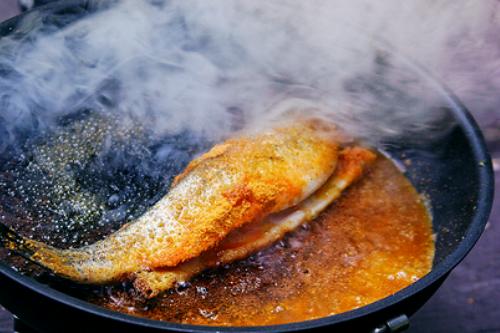
Having loved camping as a kid, nothing beats waking up in the pines to the aroma of trout or catfish frying in butter.  I’m not saying I was successful at fishing, but we can safely say it usually wasn’t me who provided the meal. 

Fresh fish, in my mind, doesn’t require much additional flavor, as we like the subtlety of fish.  Most folks are intimidated at the prospect of preparing and cooking fish properly.  They worry that the odor or the timing will produce something less than desirable, and they may be right.  But when I cook fish, this is how I do it, stovetop fashion.  Some of the avoidance of pan-frying fish is the smell.  Obtaining the very freshest fish is the top priority.  A good way to neutralize any ‘gamey’ or ‘fishy’ odor and to enhance the proper flavors is to immerse the prepared fillets in a soak of buttermilk.  The enzymes and the nature of the dairy product makes it absorb and neutralize ‘off’ flavors, as well as the consistency of buttermilk is a good ‘glue’ for a dusting of flour, creating a crisp and flavorful coating.

Rinse the fillet portions of fish (sole/flounder, trout, catfish, tilapia, perch, orange roughy, monkfish, red snapper, calamari, salmon, swordfish, soft-shell/blue crab, abalone etc) in cool, clear water. Dry well.  Place in containment and coat in buttermilk and any flavors you’d like to lightly permeate the flesh.  Remember, the buttermilk works to neutralize flavors, so only a few can work at this time.  Their influence will remain delicate, as they should be with fish.  Hot sauce, wines, beers and vinegars should survive through the soaking, as well as spices of seed or nut origin like nutmeg, pepper, mace, caraway, cumin and cardamom.  Then the very strong spices like cayenne, peppers/chipotles, ginger, hot mustard and horseradish.  These flavors, however, need to be examined as to how they go with different fish.  I put a splash of dry white wine and a bit of nutmeg, pepper, cayenne and salt with my buttermilk for my calamari, trout, roughy or tilapia.  With catfish or salmonhot sauce, pepper, cumin and ginger are perfect.  With cod, snapper or abalonebeer, hot mustard and cayenne fit nicely.  These will be delicate aftertastes, which works best with the lightness of fish.

Marinate the fish in a container/bowl under plastic wrap, or in a well-sealed zip lock bag, and chill for a good half hour to an hour, no more.  Don’t rinse the fish afterward, but carefully shake off as much liquid as possible over the sink and dab onto a paper towel quickly and then lay onto a wire rack to dry just a bit more.  If you have the notion to add dry spices that were too delicate to add to the marinade, like the leaf flavors:  basil, thyme, oregano, marjoram, chervil, cilantro, dill, fennel, tarragon and so on, apply them very lightly to the fish now.  Rich ground spices work well like powdered mustard, paprika, ginger, cayenne, garlic and onion, but I insist, be gentle.  Also considered would be the small whole seed/berry flavorings like caraway, sesame, dill, celery, and mustard that can survive the short frying, and of course, fresh ground pepper.  Smell the herbs, spices and other flavorings and let your knowledge of blendings and taste history give you a leg up as to which flavors to try. 

In a broad dish, set ¾ cup at a time of wheat AP or cake flour mixed well with ¼ cup of cornstarch, potato flour or Wondra flour (options:  along with a 1/4 cup corn meal, processor pulsed or crushed bits of packaged onion rings or shoestring potatoes, wheat germ, potato flakes and/or Panko bread crumbs would be a nice option as well, or savory seeds like sesame, onion, poppy, caraway etc) and a pinch of salt.   Carefully dust the moist herbed/spiced fillets in the flour mix and return to the rack while preparing the pan.  Use a non-stick pan to minimize the oil needed.  Heat to medium hot and place the oil – which could be full-flavored like the wonderfully associated butter, or less rich by halving the butter with canola or olive oil or using a heart-healthy butter-flavored margarine good for frying – only a tiny bit, a thin layer of the oil and spread with the spatula evenly on the surface.  The stronger flavored extra virgin olive oil could be used, but the general delicacy of most fish asks for a more neutrally flavored version of an oil.  

Carefully slice several large cloves of garlic paper-thin.  Just before placing the fillet on the hot surface of the pan, lay out five or ten slivers of garlic into the pan just under the fish fillet.  When the fish is turned, the garlic will adhere and flip with the fish, also creating a nice visual pattern. The raw heat of the garlic will be neutralized by the caramelization and only add a delicious complement to most any fish. 

Timing?  If the fillet is a half-inch thick or under (which most are), then cook the first side to golden – about two to three minutes, and flip.  The second side should be about the same or less, but feel the fillet with your fingers, if it ‘wiggles’ or moves within the thickness, it needs more time.  If it feels solid yet has a ‘give’, then it’s right.  For every quarter of an inch thicker than a half inch, add another good 30 seconds to the cooking time each side but still test. 

A finish for the fish?  Well, almost nothing beats lemon and/or fresh lemon zest (or lime), which is always a good flavor enhancer.  Toasted almond, pumpkin or sunflower nuts sprinkled over at serving also would be lovely.  But for a new and tasty tartar sauce, I can heartily recommend mixing a quality mayonnaise with a bit of the Salsa Sorpresa I have here in this book, along with a squeeze of lemon or lime.  This Salsa Sorpresa sauce is perfect with fish, and really works with catfish!


STUFFED FISH ‘SANDWICH’
with avocado and crab                  serves two

First off, this is not a bread sandwich.  The fillets of fish are the outside ‘slices’, with the avocado and crab being the filling inside.  You don’t pick it up with your hands.   This is a fancy dish, you may have to use cloth napkins and wear a tie.

Choose a good, firm white fleshed fish, like cod, tilapia, haddock or flounder.  The fillets usually start out at about three or four inches by seven or eight inches.  Each fillet makes one sandwich, with both cut in half making a total of four squares (or four smaller fillets making two sandwiches), and salt and pepper both sides.  They are quickly grilled and layered like a sandwich with the crab and avocado filling inside.  Top with bacon followed by a butter sauce with capers and cream.  A real ‘ta-daa!’ meal.

Tools:  cutting board, mixing bowl, sauté pan, spatula

Ingredients:
            2     fish fillets cut in half to make four ‘squares’
            4     half-long strips of bacon, cooked fully but still
                         undone enough to be pliable – keep warm

Filling:
            1     shallot, diced ¼ inch, half for interior; half for
                        cream sauce, diced even more finely
            1     small bell pepper, stemmed, seeded/deveined,
                        diced ¼ inch – about 3 tbs to ¼ cup
            1     clove garlic, minced
            1     tbs butter, or heart-healthy margarine
            ¼    tsp cayenne
            pinch each tarragon and dill, dried – double if fresh
            salt and pepper to taste 
1    tsp flour – wheat, corn or potato starch
1     medium sized tomato, stemmed, seeded and
           the flesh diced ¼ inch
            1     small avocado, halved, skinned and sliced
            4     oz crab meat (fresh, frozen, or canned), checked
                       for shells – or Krab, rough fingertip sized dice
            ¼   cup dry white wine and/or chicken stock
                       (best if both together in the ¼ cup)
            1     tbs toasted pine nuts, sunflower nuts, sesame
                       seeds, pumpkin seeds
   
              Sauce:
            2     tbs butter, diced ¼ inch, cold and firm
            2    egg yolks blended with ¼ cup heavy or sour cream,
                       plus 1 tbs each wine and/or stock, and lemon juice     
1     tbs capers
            ½   tsp jalapeno pepper, stemmed/seeded/deveined,
                      minced very small (about ½ to 1 jalapeno,
                      as you like)
            sprinkle of paprika; pinch dried tarragon and/or basil
                      – or chopped fresh

Preparation:  In sauté pan bring the bacon to just under normal crispness, remove. In same pan in the bacon renderings, heat shallots, garlic, and bell pepper to limp, and add the spices and continue sautéing to just golden.  Add the flour to the fat and heat for a minute, stirring it into a mash.  Add the wine/stock and blend till creamy and smooth – then gently fold in the tomatoes, crab, nuts; stir a minute to even the heat, and remove from pan to cool somewhat.

Fry the four fish pieces (salt and pepper and/or ‘dry rub’) on both sides in the fry pan, frying in the butter till done, about five or six minutes.  Remove with spatula two of the fillets to two serving plates, and divide the crab filling and sliced avocado over the two fillets, sprinkle salt and fresh ground pepper, then top with the other fillets, like sandwiches. 

Sauce:  Heat the sauté pan, still with residual butter, then sauté the minced jalapeno peppers and shallots until translucent and not yet beginning to golden, add the capers and mix well, simmer till the peppers are tender but still some liquid (add a sprinkle of water if necessary), and reduce the fire very low, almost off.  Blend the yolks, wine, cream and lemon juice mixture very well, and add to the pan and whisk continually, then slowly swirl in the bits of the butter as it melts in the safe careful heat of the sauce to bring to a thick and creamy state, about five minutes.

Cover the ‘sandwiches’ with the sauce, the bacon (draped crisscross like a gift box, or diced up, as you prefer) and a sprinkle of paprika and fresh herbs.  This sandwich is a light yet elegant meal for an outside summer dinner or a middle of winter romantic get-together. 

Enjoy.  Send the kids to a movie.

Options:  For a less rich offering, the fillets may be baked in a bit of oil in a hot cast iron skillet or sheet pan in a 400° oven (7-10 minutes), and the bacon may or may not be used.  Plate as the ‘sandwich’ with the filling and topped with the sauce, or merely a bit of lemon juice-thinned mayo.   Shrimp, oysters, scallops and/or calamari sautéed along with the vegetables may be used instead of the crab.

The well-known favorite of 'cocktail sauce' (a mix of ketchup, hot horseradish, lemon juice, minced onion) may be added to either presentation for a fun lift of heat and acid (start with a couple of tablespoons first).

Nuts (cashew, walnut, pecan), seeds (pumpkin - pepitas, sunflower, sesame, caraway, etc) - crushed - and shredded fresh raw veggies (squash - pumpkin, merliton/chayote, zucchini etc, sweet potato, celery root etc.) may be considered with experimental tasting. 


CEVICHE  (say-vee-chay)  
serves four to eight (appetizer or salad course)


I hadn’t the opportunity to know of ceviche until into my adult life.  Ah, if only I’d known earlier, as I love fish, and always have -- but for some reason, this incarnation escaped me until I lived in such Mexican-influenced societies as San Diego and San Antonio.  But I’m doing my best to make up for lost time.

The entire premise is to ‘de-nature the proteins with acid, instead of with heat’.  That means we’re ‘cooking’ the fish bits in citrus juices (citric acid) as opposed to using heat.  Both of these recipes will require that the fish marinate for at least two hours, and up to six hours or ‘overnight’ – depending on the type of fish and how much infusion you wish your fish to address, with the rest of the non-fish ingredients requiring only a half hour of that time (‘sushi grade’ fish choices can reduce those fish marinating times at least by half overall, but certainly may be mixed and consumed immediately as well).  Taste test a fish bit after two hours and go from there.  Shellfish is the most ‘rich’ and delicious option, such as conch (‘konk’), scallops, shrimp, abalone, urchin, octopus, squid, clams, mussels and oysters, and/or cooked crab, crayfish, or lobster – but for most uses, the easiest and freshest to find (or fresh thawed) is shrimp and scallops.  Shellfish is not the only fresh (fresh thawed) option – as most fresh, firm-fleshed pale fish will work deliciously – like red snapper, monkfish, mackerel, cod, tilapia, grouper, sea bass, wahoo, etc.  Tilapia is most easily found fresh, cheap and available year round.  If you’re unsure of the quality or freshness of your fish, you may first steam (a single layer at a time) the diced bits for a minute (no more) to secure the texture and internal safety, then marinate as usual.

A good part of the extraordinary enjoyment of this dish is the variety in textures as well as flavors -- so select a range of fish for that reason if you can.  Tell your trusted fish monger that you’re making ceviche, and he/she will certainly have a wonderful fresh selection to offer you, or steer you away from a bad decision.  Consider using ‘sea salt’ as a final ‘wrap up’ topper for this dish, as the associative salt ‘flavors’ and the texture both contribute so nicely.  Also, you might consider a splash of Pernod, or better yet, any personal favorite of the flavored vodkas given in this book, ice cold!  Below is offered a ‘sweet’ variation, and next after that, a ‘savory’ – different, but both are incredible for any taste.  Refrigerate all the prepared ingredients separately as described, and mix as directed by time.  Serve ice cold.

SWEET-ISH

            Tools: sauté pan, cutting board, sharp chef’s knife, large bowl, gallon-sized zip lock bags

Prep: Cut around a ½ inch dice/chunk, and Time – allowing at least two hours to marinate in the lime/citrus juices.  Prepare the shellfish/fish -- clean of sand, veins, bones, skin, cartilage, abductor muscles etc; dice to proper chunk size if not already to size as with the bay shrimp, and place in zip bag with the fresh citrus juices, squeeze out all air, zip-seal and secure in a bowl in the refrigerator. 

Ingredients:
            1-1½   lbs raw fresh or fresh thawed shrimp
                               (small 41-50 count down to bay shrimp)
                               un-diced, or larger shrimp diced to about
                               ½ inch or similar weight and size of fish flesh
             ½-1    lbs scallops, fresh or fresh thawed (bay scallops
                               or diced sea scallops) or similar differently
                               textured and flavored fish, diced around ½ inch           
                  cups lime juice (eight to twelve limes) and about
                               a teaspoon of the zest
              ¾      cup orange or tangerine juice (fresh squeezed,
                               about two to three fruits) and about a tsp of zest
              1       tbs olive oil           
              ½      tsp sugar
           1 or 2    bell peppers; yellow, red and/or orange, diced
                                ½ inch, about one cup
              1       clove garlic, minced
                       1       jar (16 oz) ‘sweet’ cherry peppers, drained, seeded
               and stemmed, diced ½ inch
                  1-2      jalapeno, Serrano or 1 habañero peppers
               (choice for heat), stemmed, seeded,
               diced very small
              1       small red onion, diced ¼ inch (about ½ cup)
            ¾-1     lbs tomatoes (roma is best), seeded, diced
                               ½ inch, about one cup
              2       medium cucumbers, peeled, diced ¼ to ½
                               inch (seeded if desired), about one cup
            1-2      stalks celery, diced ¼ inch (about ½ cup)
            2-4      avocados, peeled, seeded, diced ¾ inch
            chopped cilantro, to taste, or parsley or watercress,
                              about ¼ cup or so
            sea salt and pepper to taste (it needs salt)           
            cayenne, sweet Mexican oregano and cumin to taste
           
Preparation:  While the fish bits marinate, prepare the vegetables.  I find that the green bell peppers are less sweet, and choose to use the red, yellow or orange for a ‘sweeter’ take as well as for color for this dish, but use what you prefer.  Slice the peppers open and remove the seeds, veins, and dice ½-inch.  In a medium hot sauté pan, place the bell peppers, minced chile peppers, minced garlic, and half the diced red onion bits and a pinch of salt in the olive oil and lightly sweat to just getting warm, sprinkle with the sugar and continue sautéing relatively low until getting just a bit of golden and just on the edge of becoming soft; remove from heat, and let cool.  Dice the cucumbers and mix with the other half of the raw red onion dices, tomatoes, celery, avocados, cherry peppers and cilantro.  Mix with the cooled bell pepper/onion mix and refrigerate, zip-sealed.  After the fish has marinated for all but a half hour, fold all these cold ingredients together and continue to marinate, chilled, for at least that other half hour.  Drain off what juices you wish for the final presentation state, best if it’s like ‘fruit salad’ or slightly more wet.  Salt and pepper to taste.  Drizzle with a couple of tsp’s of extra virgin olive oil at the last.  Sprinkle at serving with your preference of cayenne, oregano and/or cumin whispered over the top and serve cold in butter-lettuce (Boston bib) ‘cups’; or in a martini or margarita glass, or in a large bowl with wheat/tortilla chips or ‘scoop’ style corn or tortilla chips; or on Melba or other crisp bread/cracker etc.; or in scooped out half melon or halved tropical fruit, halved avocado or coconut; or hollowed out tomatoes, hollowed roasted and room temperature eggplant, zucchini/squash halves, etc. 

Options:  Crunch factor – roasted crushed seeds/nuts (walnuts, cashews, sunflower and pumpkin nuts etc), diced jicama, diced or sliced radishes, water chestnuts, diced baby corn, etc.
     Sweet factor – mandarin orange segments, halved seedless grapes, pineapple chunks, diced papaya or mango, fresh sweet corn, splash of balsamic vinegar/rice vinegar/fish sauce, pickled onions/cucumbers, shredded carrot, etc.

SAVORY-ISH

The ‘swing’ from sweet to savory isn’t all that big of a change.  The presentation and finish with extra virgin olive oil, cayenne, oregano and cumin sprinkling remain the same, so the only difference is the initial ‘tang’ connected with the wonderful texture bite of the fish and vegetables and/or fruits, as well as the citrus choice.

Tools:  sauté pan, cutting board, sharp chef’s knife, large bowl, gallon-sized zip lock bag

Prep:  Cut to size, and Time – allowing at least two hours to marinate in the lime/citrus juices.  Prepare the shellfish/fish -- clean of sand, veins, bones, skin, cartilage, abductor muscles etc; dice to proper chunk size if not already to size as with the bay shrimp, and place in zip bag with the fresh citrus juices, squeeze out any air and secure in a bowl in the refrigerator. 

Ingredients: 
            1-1½  lbs raw fresh or fresh thawed shrimp
                                 (small 41-50 count down to bay shrimp)
 un-diced, or larger shrimp diced to around
 ½ inch or similar weight and size of fish flesh
             ½-1   lbs scallops, fresh or fresh thawed (bay scallops
                                or diced sea scallops) or similar different textured
                                and flavored fish, diced about ½ inch   
                cups lime juice  (eight to twelve limes)
                                and about a teaspoon of the zest
              ¾     cup lemon juice or grapefruit (ruby red!) 
                                (fresh squeezed, about two to three
                               lemons or one grapefruit) 
                               and about a tsp of the zest
                          1      tbs olive oil
                          1      bell pepper, green, yellow, red and/or orange,
                                               diced ½ inch, about ½ to ¾ cup
          2      cloves garlic, minced
                  1-2     jalapeno, Serrano or 1 habañero peppers (choice
                for heat), stemmed, seeded, diced very small
          1      small red onion, diced ¼ inch (about ½ cup)
        2-3     green (scallion) onions, diced ¼ inch, white
                                and green parts
          1      can (7 oz) roasted mild chiles (poblano), diced
                                or 1 roasted, skinned and seeded poblano pepper
                        ¾-1    lbs tomatoes (roma is best), seeded, diced ½ inch,
                                                about one cup
          2      medium cucumbers, peeled, diced ¼ to ½ inch
                               (seeded if desired)
          2      stalks celery, diced ¼ inch (about ½ cup)
                      ½-¾     cup rough chopped/large diced pitted green
                                               or ‘pimento stuffed’ olives, or quality ‘gourmet’ any
color choices, as you prefer – remember, this is the
focus taste of this particular ceviche recipe   
2      tsp capers, drained 
chopped cilantro, to taste, or parsley or watercress,
                about ¼ cup or so
sea salt and pepper to taste (it needs salt)             
cayenne, sweet oregano and cumin to taste

While the fish bits marinate, prepare the vegetables as above, sautéing with a good pinch of salt only, instead.  Dice the other portion of the raw vegetables.  Prepare as described above, draining as you prefer, and ending with a drizzle of extra virgin olive oil.  Salt and pepper to taste.  Sprinkle at serving with your preference of cayenne, oregano and/or cumin whispered over the top and serve cold, presented as offered above.

Options:  Crunch factor – roasted crushed seeds/nuts (walnuts, cashews, sunflower and pumpkin nuts etc), diced jicama, diced or sliced radishes, water chestnuts, diced baby corn, etc.
     Savory factor – a splash of rice wine vinegar or wine vinegar; corn relish (in this book); minced/diced anchovies; diced pickled okra/onions/cucumbers, and/or ‘nacho’ jalapeño rings; grapefruit wedges; diced raw shallots; caviar (tuna, salmon or beluga, etc); ‘three bean’ salad beans (canned ok), etc.


TARTAR SAUCE OPTIONS

Use store bought quality mayonnaise, which is always safer for the spoilage/egg question, as the makers have dealt with that raw egg issue. Homemade mayonnaises are delicious, but risky over time with the raw egg quotient.  Only make your own mayonnaise when you KNOW it will be consumed without un-chilled storage or long-term setting.    Plus, you don’t have to always use mayonnaise.  Greek yogurt, thickened creams and milks are an excellent and safe option that works well with picnic plans for potato and macaroni salads, tartar and dipping sauces, and sandwiches.  Can’t find Greek yogurt?  Just check the table of contents in this book.

To the mayonnaise or yogurt, one should add minced ingredients.  The best way to mince some of these ingredients is to use your box grater, very low tech but a good friend here. 

Firm ingredients to grate or finely chop are:  white or yellow onions, shallots, sweet or dill pickles, gherkins, garlic pickles, celery, citrus zest, hard-boiled egg, and cucumber (where do you think pickles come from?). 

Ingredients to add by mashing/fine dicing are capers, anchovies, chives, green olives, fennel and fresh dill. 

Other prepared flavors to add in a liquid-ish form are Dijon mustard, horseradish, hot sauce, Worcestershire sauce, oyster sauce (yes), and then the expected lemon and lime juice – but don’t rule out orange, tangerine or grapefruit juices either!  Toppers?  an affordable market-purchased caviar – red or black, perfect!